Baby Craniosacral Therapy by Pauline
A calm, nurturing home based practice in Thornhill offering gentle craniosacral therapy for babies. Mobile visits may be available upon request.
Location
Home based practice in Thornhill with a quiet, welcoming setting for parents and babies.
Mobile Option
Mobile visits may be available upon request for families who prefer care at home.
Receipts
You will receive a massage therapy receipt for your baby's CST treatment.
Experienced, gentle care for expectant families and babies
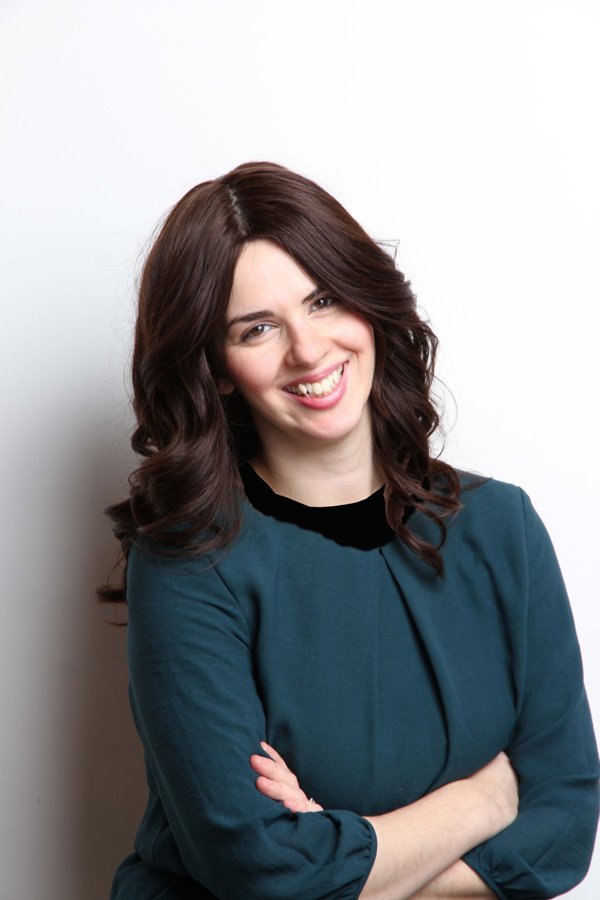
Pauline is a Registered Massage Therapist (RMT) with a focus on pregnancy and babies. She received a BSc in Kinesiology from York University in 2007.
Pauline has over 15 years of hands-on experience working with expectant families. Her career began as a Birth Doula in 2011. Since then, she has helped hundreds of women prepare for childbirth by providing education, advocacy skills, and physical and emotional support throughout her clients’ pregnancies and births.
Pauline became a Registered Massage Therapist in 2017 after completing a two year program at the Canadian College of Massage and Hydrotherapy. She also completed the Trimesters Pregnancy Massage training, which included a placement at Sunnybrook Hospital in the High Risk Pregnancy Unit.
In 2021, Pauline received her certificate in Craniosacral Therapy with a specialization in infants from the Beames CST Training Centre. Since then, Pauline has helped hundreds of babies and continues to treat babies using CST. She loves that the therapy is very gentle yet highly effective at addressing concerns such as latch, digestion, head preference, sleep, and more.
What is Craniosacral Therapy?
Craniosacral Therapy is a gentle, hands-on approach that supports your baby’s natural ability to regulate, settle, and heal.
A gentle, non-invasive approach
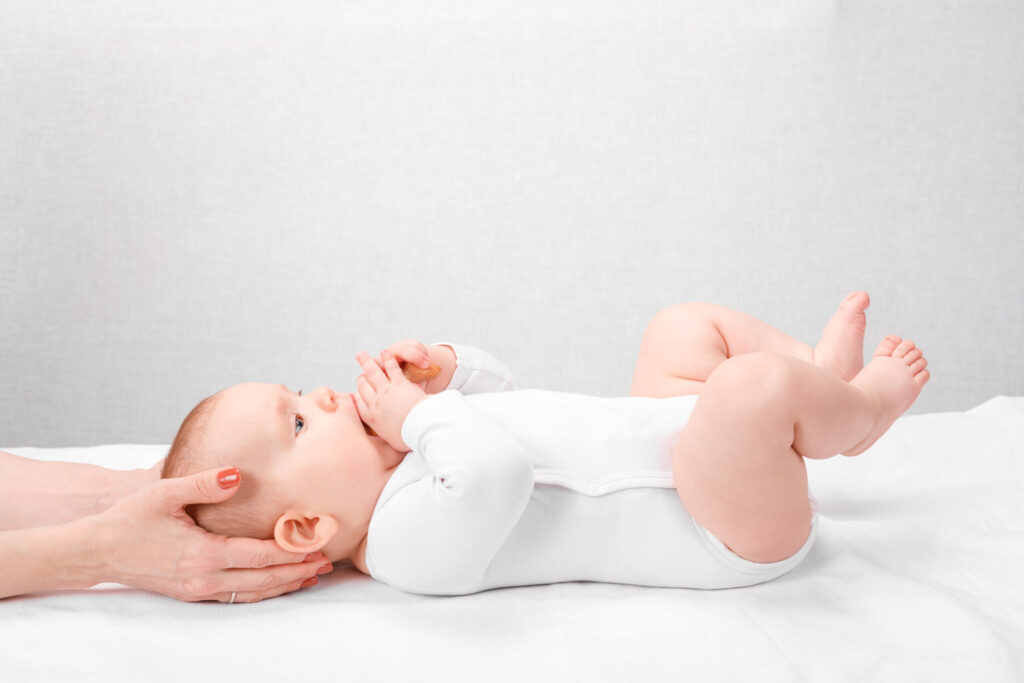
Craniosacral Therapy (CST) is a gentle, hands-on treatment that supports the body’s natural ability to heal and regulate itself. Using a light touch, often no more than the weight of a nickel, a practitioner works with the craniosacral system, which includes the membranes and fluid surrounding the brain and spinal cord.
For infants, this subtle approach is especially important. Their systems are still developing, and CST offers a safe, non-invasive way to release tension and support optimal functioning after the physical and emotional experiences of pregnancy and birth.
Origins of CST
Craniosacral Therapy was developed by osteopathic physician Dr. John E. Upledger in the 1970s. Building on earlier osteopathic principles, he identified the craniosacral system as a distinct and influential part of overall health.
Through clinical research and observation, Dr. Upledger developed techniques that allow practitioners to detect and gently release restrictions within this system, improving the body’s ability to self-correct.
How CST may help your baby
CST can be especially supportive as babies transition into life outside the womb.
Improved feeding and latching
Helps release tension in the jaw, neck, and mouth.
Relief from colic and digestive discomfort
Supports regulation of the nervous system and gut function.
Better sleep patterns
Encourages relaxation and helps reduce overstimulation.
Support after birth strain or trauma
Can be helpful after long labours, fast births, or assisted deliveries such as forceps, vacuum, or C-section.
Reduced tension and asymmetry
May help with head-turning preferences, tightness, or early signs of torticollis.
Enhanced bonding and calmness
Promotes a more settled, regulated baby.
Care tailored to your baby
Every session is tailored to your baby’s needs, with care provided in a calm, nurturing environment. Parents are always present, and treatments often feel soothing. Many babies sleep through their session.
A typical treatment plan is between 2 to 8 visits.
Pauline is a registered massage therapist (RMT). You will receive a massage therapy receipt for your baby's CST treatment, as the therapy is within the scope of massage therapy.
Questions or ready to connect?
Get in touch to ask about appointments, baby concerns, or mobile visit availability.